
Showing posts with label fitness training. Show all posts
Wednesday, October 30, 2019
FITNESS TRAINING - THE ULTIMATE GUIDE

Good fitness is one of the most important factors for good health and to avoid illness. Still, the threshold for getting started can be high. Where do you start, what exercises and methods are the most effective and how often should you train to maintain good stamina and stamina?
HERE'S HOW TO GET STARTED WITH CARDIO FITNESS TRAINING
Should you train short and hard - or long and calm?
There is not necessarily something right or wrong here. However, if your goal is to train your stamina and stamina, you may need to exercise so that you become breathless and know that your muscles are working. Begin with shorter humps and increase the time and intensity as you get in better shape.
The key to success is creating continuity in Fitness Training and exercising varied, for example by combining interval training and long distance running. It is also important to have a well thought out plan for your workout.
FITNESS TRAINING EXERCISES THAT GIVE GREAT EFFECT
According to Thomas Losnegard, associate professor at the Division of Physical Performance at the Norwegian School of Sport, it is generally the case that fitness training can be done in different types of movement, since it is the heart that primarily limits fitness. Endurance training requires that you have a specific form of movement since the nervous system and muscles are limiting.

Here he shares three specific Fitness Training sessions for a moderate to well-trained practitioner (maximum 60 minutes including warm-up and warm-up):
1. Short interval (high intensity):
10 x 2 minutes, 2 minutes break. You can set up the intervals on a relatively flat track. Put a starting line and run (possibly bike, ski or similar) for 2 minutes. Put a line where you are when it's been two minutes. After the break, then run back. During the intervals you can check whether you are running as far per move. If you could run faster, you know it to the nose. The intervals can of course also be done indoors on a treadmill.
2. Alternate short interval:
45 seconds x 20 in reverse, 15 seconds pause. During this type of interval you can maintain a high intensity for a long time. This type of interval training is motivating since the kites are not that long. At the same time you will have a high heart rate since the breaks are short.
3. Long interval (moderate intensity)
5 x 8 minutes, 2 minutes break. Find a hilly terrain in your sport. The intensity becomes moderate since the dragons are long and the breaks short. The interval can of course also be performed indoors. You can also run a continuous move of 30-40 minutes, but this is often more mentally demanding.
4. Hiking in hilly terrain
Run, cycle or ski in varied terrain for about 60 minutes. The first 10 minutes should be quiet. During the session, use the terrain actively.
See examples of how you can get high heart rate and increased stamina with cardio exercises.
GRADUALLY INCREASE THE LOAD
It takes time to build up good stamina and stamina, so increase your training gradually. After each workout, you may want to note how fast and far you have run, cycled or the like, so you can easily compare with past and future results. This can also have a positive effect on motivation.
As the condition improves, you can place greater demands on your heart by increasing your workout load.
- In essence, the training load is given by duration x intensity x frequency. Generally when you are in better shape you should increase the length or frequency of sessions or interval moves, says Johansen Losnegard.
During an interval, for example, you can go from 5 x 3 minutes to 6-7-8 x 3 minutes. That is, the intensity is the same, but you have several moves, ie longer duration at high intensity. For long trips you can increase the duration of the sessions slightly. Exercise variation is also important, as increased exercise load depends on being good at varying workouts. Examples of variation may include changing the type of interval (length of drag = intensity), mode of movement (bike, running, skiing etc.) and terrain.
HOW TO AVOID THE MOST COMMON DAMAGE
Exercise variation is an important keyword also in terms of injury prevention. In order to give the body maximum health benefits, it is most ideal to combine cardio and strength training.
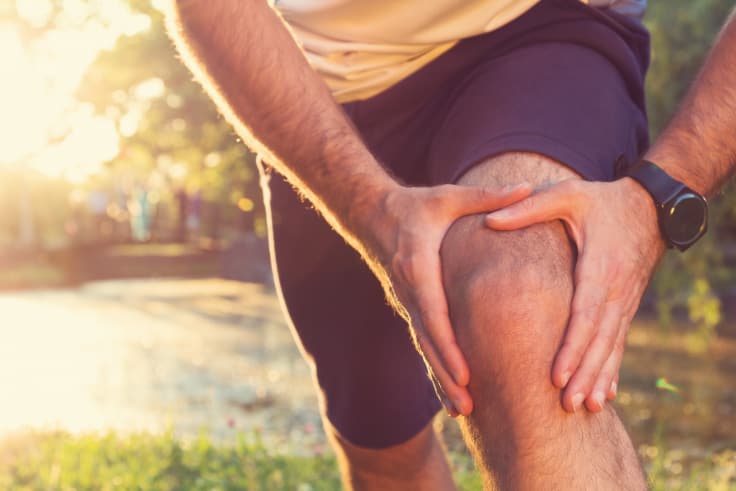
Mari Rangnes, personal trainer at SATS Ullevaal Stadium, often sees examples of injuries and ailments that occur as a result of cardio training. Here she shares some of the most common training errors as well as tips on how to avoid them.
- Runner's knee : A tendon disease that occurs in the tissue that binds the long tendon laterally to the thigh with the large and small leg bone. The torment occurs at high loads, often related to running. The disorder can come acute, but is usually a nuisance that comes creeping.
Here's how to prevent: Running on varied surfaces (try to avoid downhill slopes), strengthening the seat and stabilizing muscles around the hip, running with short steps and exercising varied. - Meningitis: Inflammation of the muscle and tendon attachment to the front of the leg, more specifically along the inside of the tibia. The condition is especially common among runners.
Here's how to prevent: Stretch your muscles regularly, avoid running on hard surfaces and wear good, sturdy shoes with good shock absorption. - Plantar Fasciitis: Inflammation of the soles of the sole of the foot where it attaches to the heel bone, and the most common cause of heel pain in athletes. The disorder can affect people of all ages, but plantar fascia is most common from the age of 40 onwards. It is also a fairly common condition among athletes (runners). This occurs primarily with long standing and with a lot of walking or running on hard surfaces.
Here's how to prevent it: Avoid standing, walking or running for a long time on hard surfaces. Fine-tune the running technique. - Achilles tendonosis: A very common load injury characterized by persistent pain in the Achilles tendon, heel and lower back muscles during activity and strain of the Achilles tendon. Long distance runners, joggers and other sports that involve running or prolonged activity on flat ground are particularly at risk.
How to prevent: Avoid a rapid increase in exercise volume and intensity.
WHAT IS STAMINA AND ENDURANCE?
The condition is determined by the ability of the heart to pump blood to the working muscles and the ability of the muscles to utilize the oxygen. In other words, the fitness is the same as your maximum oxygen uptake (VO2 max).
The endurance, on the other hand, is specific to a sport or exercise. Different sports and exercises include different muscles. It is these muscles that get good stamina when exercising, but they often depend on fitness being a "provider" of the oxygen.
In training, endurance is defined as the ability of the organism to work with relatively high intensity over a long period of time. We distinguish between two main types of endurance: anaerobic (without oxygen consumption) and aerobic (with oxygen consumption). Some form of endurance training is a prerequisite for a healthy lifestyle.
- Unless you are competing in sports exercises where the maximum work takes from a few seconds to a few minutes, it is most relevant for people to train the aerobic endurance, points out Even Jarstad, sports physiologist and test engineer at Nimi, Ullevaal Stadium.
According to Jarstad, there are three overall physiological characteristics that determine a person's aerobic endurance, namely the maximum oxygen uptake (VO2 max), the utilization rate of the VO2 max and the working economy (energy cost) in the exercise.
- If you manage to improve one or more of these three physiological properties through aerobic endurance training, you can manage to maintain a higher speed over a longer period of time, and thus better performance, says Jarstad.
WHY EXERCISE FITNESS?
According to the Directorate of Health's recommendations for physical activity , adults should be in moderate physical activity for at least 150 minutes each week. With a higher intensity, you can get a sufficient dose in half the time - 75 minutes.
Fitness training is a good way to meet these recommendations, either through an individual activity such as running, cycling or rowing, or by practicing some form of group activity such as aerobics, dancing or team sports.
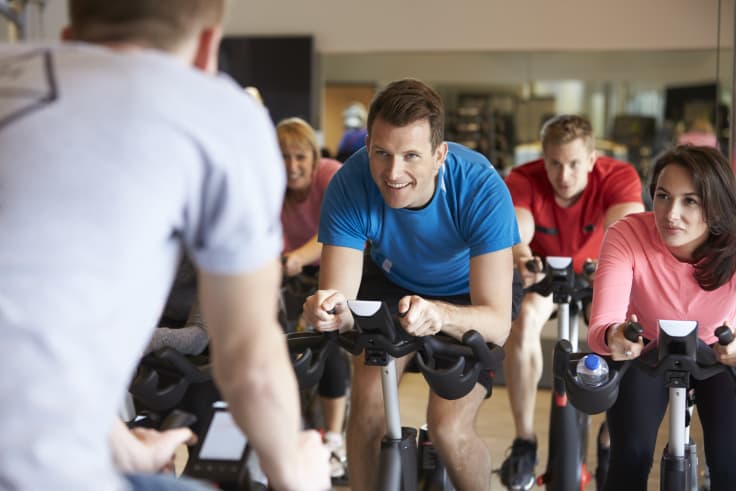
The purpose of cardio Fitness Training is to change and improve the heart, blood system and muscles of the body. With cardio training, the heart gets bigger and stronger, while the muscles become more enduring. As a result, it becomes easier to run, walk and engage in other forms of physical activity.
In addition, good endurance is an important factor in preventing and preventing health complications.
- In a health perspective, low fitness has been found to be associated with a high risk of developing cardiovascular disease, among other things. Furthermore, it has been found that low fitness is a potentially greater indicator of mortality than established risk factors such as smoking, high blood pressure, high cholesterol and type 2 diabetes, Jarstad elaborates.
In a performance perspective, it is also conceivable that increased fitness can help to better cope with everyday challenges, both in terms of work and private life.
- We are usually more energetic if we are able to increase physical capacity, and it is not inconceivable that with better physical form you can also cope with physical and mental stress in a better way. And then it is all the more fun to go hiking in the mountains or skiing at Easter when you know that the condition is good, Jarstad smiles.
Rangnes emphasizes three reasons why one should practice endurance training.
1. STRENGTHENS THE HEART
During cardio Fitness training, the heart and lungs are forced to work harder to manage to deliver enough oxygen into the body. The heart is a muscle that can be trained and strengthened, and for that to happen it needs to be exposed to enough strain.
"At high intensity, the heart must beat faster to pump out more oxygen-rich blood, and with enough cardio training, the heart will eventually be able to pump more blood per heartbeat," said Rangnes.
2. GREATER EXCRETION OF ENDORPHINS
When we engage in physical activity, the body produces endorphins - also known as the body's own "happiness hormone".
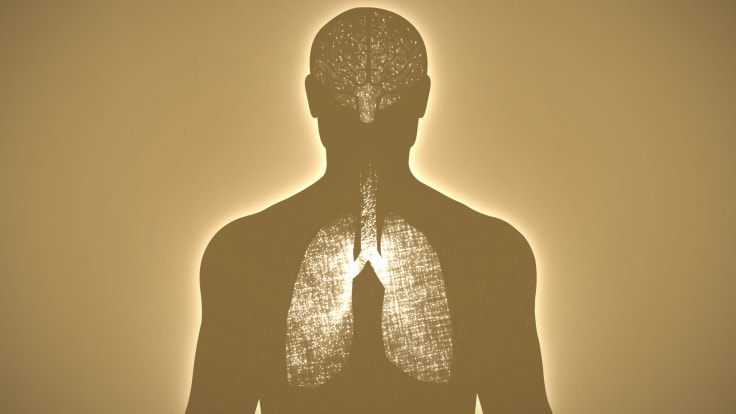
- If the body is loaded for more than 20 minutes it will increase the production of endorphins. This provides an increased sense of well-being, which in turn can help reduce stress and depression, explains Rangnes.
3. INCREASES FAT BURNING
Cardiovascular exercise is the most effective way to increase fat burning and thus lose weight. The harder the muscles work, the more energy it needs. The amount of energy used is measured in calories (kcal). It is the total amount of work that affects the calorie burn, ie the sum of intensity and duration.
According to Rangnes, long trips at a fast pace are fine, but a proper interval run can give even better results.
- This is because you burn more energy per unit of time, and as long as the interval workout is long, the total workload will probably be higher, says Rangnes.
FITNESS TRAINING AND DIET
Exercise and diet are closely related, perhaps closer together than many people think. It is said that diets often account for as much as 70 percent of the result. Therefore, in order to achieve your goals, it is essential that you eat properly. To maintain the biological and physiological functions of the body, we must consume energy from carbohydrates, proteins and fats. The need is temporary at the activity level; what to train, duration and intensity.

Dietary Tips
Before Fitness Training Exercise : Before exercising, you should eat a meal rich in carbohydrates and some protein. In addition, moderate fiber and fat content helps reduce the chance of getting stomach trouble during exercise.
- Intake before exercise should be planned to avoid stomach problems during the workout. Digestion time depends on the type and amount of food. In general, foods that contain a lot of fat, protein and fiber take longer to digest and can feel "heavy" in the stomach during exercise, explains Rangnes.
Recommended Food:
- 2-3 hours before exercise: Cereal, bread with protein-rich toppings (such as cheese and ham) and oatmeal.
- 1 hour before exercise: Fruit (preferably banana), a small yogurt or a smoothie.
Dietary Tips After Fitness Training Exercise:
Performance training leads to the drainage of glycogen stores (carbohydrate) in the muscles, increased protein turnover, burning of fatty tissue and loss of fluid and salts. In addition to making sure you get enough fluid right after Fitness Training exercise, it is important to fill the glycogen stores with a carbohydrate-rich meal.
- If the session has not led to the emptying of the glycogen stores, a smaller meal is sufficient. During hard running sessions, the protein in the body breaks down. Protein supply helps stimulate protein synthesis and repair and build up damaged muscle tissue, explains Rangnes.
Recommended Food:
- Right after exercise: Fruit, chocolate milk, yogurt, protein-rich smoothie.
- 1-2 hours after exercise: A larger meal such as dinner.
Read more about exercise and diet here.
Are you curious about how you can exercise? We have made it easy for you and gathered all our training programs for those who want to get better fitness .
Subscribe to:
Posts
(
Atom
)